Ceramic Coating vs PPF: Which Is Right for Your Car?
Ceramic coating and paint protection film both protect your paint — but in very different ways. Here is how to choose.
Ceramic coating and paint protection film (PPF) are the two most popular ways to protect a car's paint in the UK. They are often talked about as if they do the same job. They don't — and knowing the difference saves you money.
What ceramic coating does
A ceramic coating is a liquid that bonds chemically with your clear coat and cures into a hard, glassy layer. It gives:
- Deep gloss and richer colour
- Hydrophobic behaviour — water beads and sheets off, taking dirt with it
- Easier washing — bird lime, tar and traffic film release faster
- UV and chemical resistance against fading and etching
What it won't do is stop stone chips. It is measured in microns, not millimetres.
What PPF does
Paint protection film is a clear, flexible urethane film applied over the paint. Quality films are self-healing: light swirls disappear with heat. PPF physically absorbs impacts from stones, grit and light scuffs — exactly the damage motorway driving causes on bonnets, bumpers and mirrors.
The DMS recommendation
For most drivers around Manchester we recommend a combination: PPF on the high-impact front end (bumper, bonnet, wings, mirrors) and ceramic coating across the rest of the car — including over the film. You get chip protection where it matters and easy-clean gloss everywhere.
Ready to protect your car?
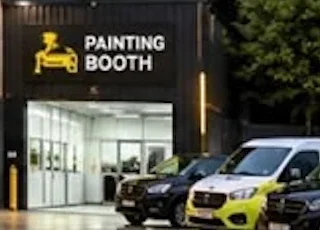
Our dedicated booth in Failsworth handles paint correction, ceramic coating and PPF under one roof. See our Ceramic & PPF service or message us on WhatsApp for a quote.